Content Marketing Strategy 2026 is no longer about posting blogs or social media content regularly. Today, only content that solves real problems, matches search intent, and builds trust actually works.
Many businesses say “content marketing doesn’t work” — but the truth is, wrong content doesn’t work.
This blog explains what content marketing really means in 2026, how it has changed, and how businesses can create content that attracts traffic, builds authority, and converts users into customers.
How Content Marketing Has Changed in 2026
Earlier:
- Keyword-stuffed blogs
- Generic social posts
- Content written only for search engines
Now:
- AI-assisted but human-led content
- Experience-based writing
- Intent-focused topics
- Multi-format content (blog + video + short-form)
- Content optimized for Google AI Overview
Google now prioritizes:
- Helpful content
- First-hand experience
- Clear structure
- Trust and credibility
Why Most Content Fails Today
Common reasons:
- Writing for algorithms, not people
- No clear target audience
- Copy-paste AI content
- No CTA or goal
- Weak headlines
- Ignoring content updates
If your content looks like everyone else’s, Google won’t rank it and users won’t trust it.
Understanding Search Intent (Foundation of Content)
Every successful content piece matches user intent.
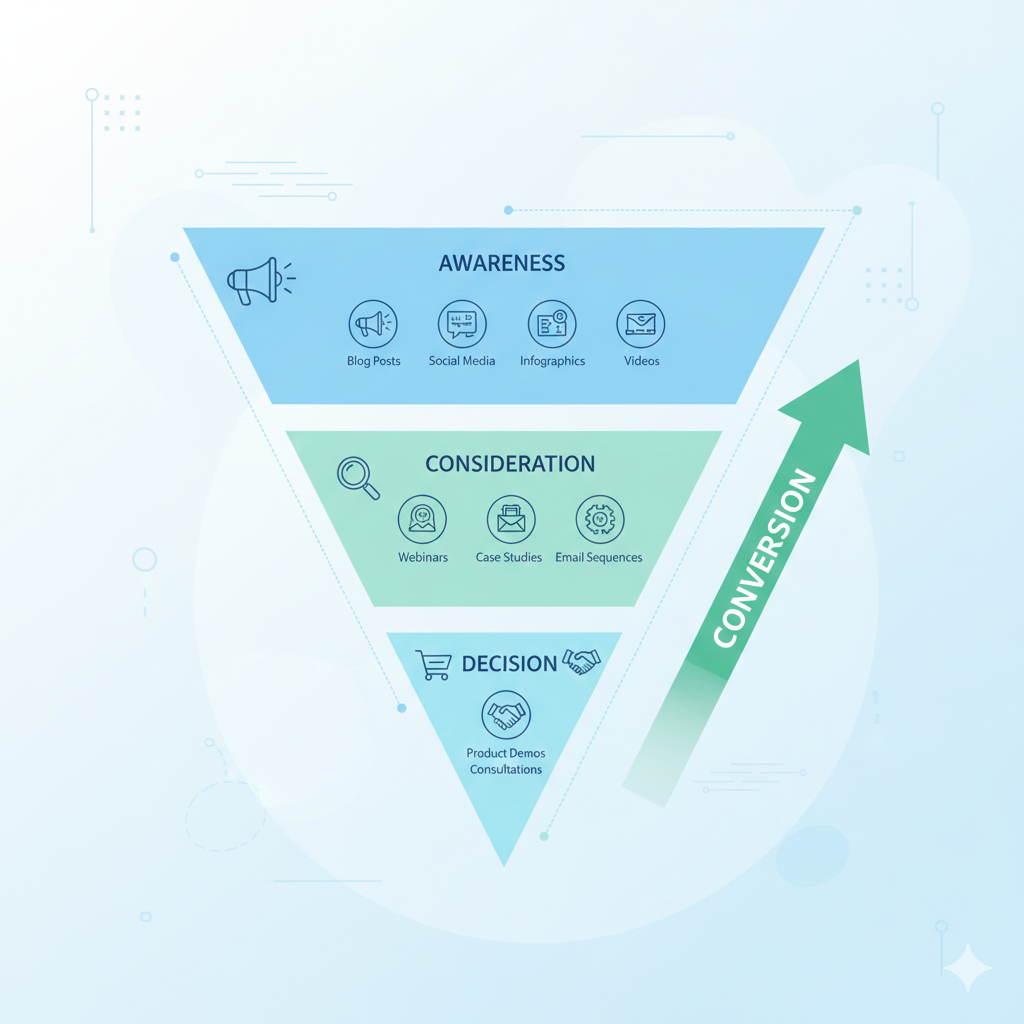
Types of Content Intent:
- Awareness: “What is content marketing?”
- Consideration: “Best content marketing strategies”
- Decision: “Content marketing agency near me”
Your website should have content for all three stages.
Content Types That Perform Best in 2026
1. In-Depth Blogs (Pillar Content)
- 1500–3000 words
- Covers topic completely
- Internally linked
2. Case Studies
- Real results
- Trust-building
- High conversion value
3. Short-Form Video Content
- Reels & Shorts
- Repurposed from blogs
- High engagement
4. Localized Content
- City-based blogs
- Local problems & solutions
How to Create Content That Ranks in SERP
Step 1: Choose the Right Topic
- High intent
- Long-tail keywords
- Business relevance
Example:
❌ “Digital marketing tips”
✅ “Digital marketing strategies for small businesses in 2026”
Step 2: Write for Humans First
Use:
- Simple words
- Short paragraphs
- Clear examples
- Natural flow
Avoid robotic or overly technical language.
Step 3: Structure Content for AI Overview
Google AI prefers:
- Clear headings
- Bullet points
- Direct answers
- FAQs
Use:
- H2 & H3 headings
- Lists
- Short explanations
Step 4: Add Experience & Trust Signals
- Real examples
- Client stories
- Industry insights
- Honest opinions
This helps meet E-E-A-T standards.
Content Marketing Strategy 2026 (Very Important)
Content Marketing Strategy 2026 without distribution is useless.
Promote via:
- WhatsApp Broadcast
- Email newsletters
- LinkedIn & Instagram
- Google Business Profile posts
Repurpose one blog into:
- Reels
- Carousels
- LinkedIn posts
- Email tips
Common Content Marketing Mistakes
- Publishing without a plan
- No internal linking
- Ignoring content updates
- Not tracking performance
- Expecting instant results
Content is a long-term asset, not a quick fix.
Content Marketing Metrics That Matter
Track:
- Organic traffic
- Time on page
- Conversions
- Leads generated
- Keyword rankings
Ignore vanity metrics like likes alone.
Content Marketing in 2026: From Publishing to Problem Solving
In 2026, content marketing is no longer about publishing more content —
it is about publishing the right content that solves real problems.
Search engines, social platforms, and AI tools now evaluate:
- User satisfaction
- Engagement depth
- Content usefulness
- Authenticity and trust
If your content does not help the reader take action or gain clarity, it simply won’t perform.
The Biggest Shift: Audience-Centric Content Strategy
Earlier strategies focused on:
- Keywords first
- Platforms second
- Audience last
In 2026, this is completely reversed.
Modern Content Strategy Flow:
- Understand audience pain points
- Map their journey
- Create content for each stage
- Optimize for search and AI
- Measure impact
Content that aligns with real audience needs performs consistently.
Intent-Based Content Planning
Content in 2026 must match search and consumption intent.
Types of Content by Intent:
- Awareness content: blogs, explainers, guides
- Consideration content: comparisons, case studies
- Decision content: testimonials, demos, offers
- Retention content: newsletters, updates, communities
Brands that map content across all stages build long-term authority.
Topic Clusters & Authority Building
Single blog posts no longer dominate rankings.
What Works Now:
- One pillar topic
- Multiple supporting blogs
- Internal linking between them
Example:
Pillar: Content Marketing Strategy 2026
Clusters:
- AI content creation
- SEO-driven content
- Content distribution
- Content performance analytics
This structure signals topical authority to search engines and AI systems.
Final Thoughts
Content marketing in 2026 is about value, clarity, and trust. If your content genuinely helps users, rankings and leads will follow naturally.
📈 We help brands get more leads, sales & visibility through digital marketing