
In 2026, marketing decisions without data are risky. Data-driven digital marketing helps businesses understand what works, what doesn’t, and how to improve performance continuously.
What Is Data-Driven Digital Marketing in 2026?
Data-driven digital marketing is the process of using customer data, analytics, and insights to guide marketing decisions instead of assumptions.
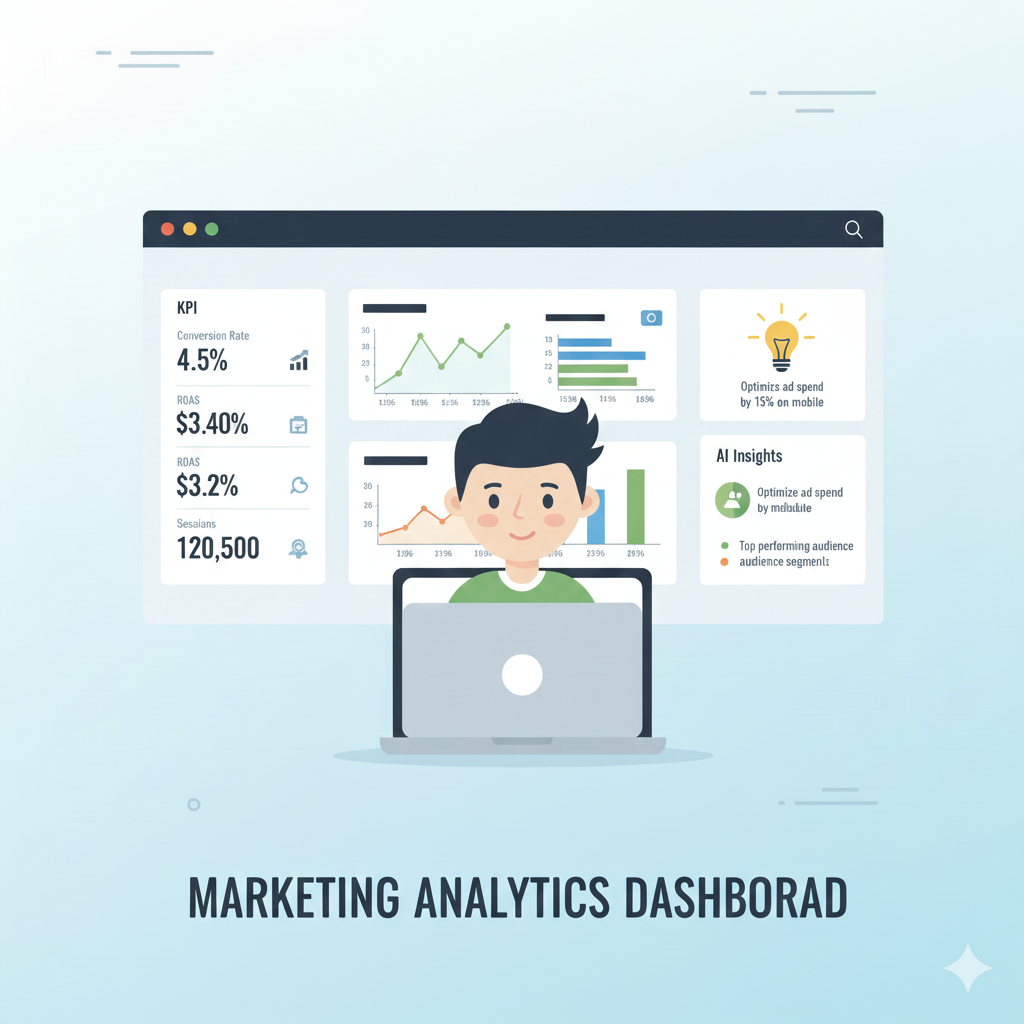
Why Analytics Is Crucial in 2026
- Tracks real user behavior
- Improves ROI
- Identifies growth opportunities
- Reduces marketing waste
Key Metrics Marketers Must Track
- Website traffic
- Conversion rate
- Cost per acquisition
- Engagement metrics
- Customer lifetime value
AI-Powered Analytics Tools
AI tools provide:
- Predictive insights
- Automated reports
- Real-time optimization
Common Mistakes to Avoid
- Tracking too many metrics
- Ignoring user intent
- Not acting on data insights
Future of Data-Driven Digital Marketing
Marketing will become more predictive, personalized, and automated—driven by real-time data.
From Data Collection to Data Intelligence in 2026
Earlier, Data-Driven Digital Marketing focused on collecting data.
In 2026, the real value lies in understanding and acting on data.
Businesses now generate massive amounts of data from:
- Websites
- Mobile apps
- Social media
- Ads platforms
- CRM systems
- AI tools
But raw data alone does not drive growth.
Data-driven digital marketing is about converting data into clear insights, smarter decisions, and predictable growth.
Why Data-Driven Marketing Is Non-Negotiable in 2026
Consumer behavior has become:
- Multi-device
- Multi-platform
- Highly unpredictable
Traditional “gut-feeling marketing” fails because:
- Audiences change fast
- Competition is aggressive
- Ad costs are higher
- Attention spans are shorter
Data-driven digital marketing helps brands:
- Reduce guesswork
- Identify what truly works
- Eliminate wasteful spending
- Scale profitable strategies
In 2026, data is the foundation of every successful marketing decision.
Key Shift in 2026: From Vanity Metrics to Business Metrics
One major evolution in analytics is the shift away from vanity metrics.
Vanity Metrics (Less Important Now)
- Likes
- Follower count
- Impressions without engagement
- Page views without intent
Metrics That Truly Matter in 2026
- User engagement quality
- Conversion rate
- Customer lifetime value (CLV)
- Cost per acquisition (CPA)
- Retention and loyalty
Smart marketers focus on impact, not appearance.
Understanding User Journey Analytics
In 2026, customers rarely convert in one step.
A typical journey includes:
- Discovery (search, social, ads)
- Engagement (content, video, email)
- Consideration (reviews, comparisons)
- Conversion (purchase or inquiry)
- Retention (repeat engagement)
Data-driven marketers track the entire journey, not just the final click.
Why This Matters
- You identify drop-off points
- You improve weak stages
- You personalize experiences
- You increase overall ROI
Website Analytics That Matter in 2026
Website analytics has evolved beyond basic traffic numbers.
High-Impact Website Metrics
- Engaged sessions
- Scroll depth
- Time to interaction
- Conversion path analysis
- Returning vs new users
These metrics help understand user intent, not just visits.
A website with less traffic but higher engagement often performs better than a high-traffic site with low intent users.
Conversion Tracking: The Heart of Data-Driven Marketing
In 2026, if you’re not tracking conversions properly, you’re marketing blindly.
What You Should Track:
- Form submissions
- Phone calls
- WhatsApp clicks
- Purchases
- Newsletter sign-ups
Accurate conversion tracking helps:
- Measure true ROI
- Optimize campaigns
- Allocate budgets effectively
Every marketing channel must be connected to clear business outcomes.
Predictive Metrics That Matter in 2026
Predictive analytics focuses on future outcomes, not past performance.
Important Predictive Metrics:
- Lead scoring probability
- Purchase likelihood
- Churn prediction
- Customer lifetime value forecast
These metrics help businesses:
- Focus on profitable users
- Improve retention
- Reduce customer loss
- Plan marketing budgets better
Social Media Analytics Beyond Likes & Views
Social media platforms now provide deep behavioral data.
Metrics That Matter in 2026:
- Saves and shares
- Profile visits
- Click-through rate
- Content completion rate
- Community engagement
These signals indicate real interest, not passive scrolling.
Brands using data-driven social media marketing:
- Create better content
- Post at optimal times
- Build loyal communities
Email Marketing Analytics: Quality Over Quantity
Email marketing remains powerful — when data is used correctly in data-driven digital marketing.
High-Value Email Metrics:
- Open rate by segment
- Click-to-open rate
- Conversion rate
- Unsubscribe behavior
- Engagement over time
AI now helps optimize:
- Subject lines
- Send timing
- Content personalization
This makes email marketing smarter and more human-centric.
Paid Ads Analytics: Smarter Budget Decisions
Paid advertising costs are rising.
Data-driven analysis helps control spending.
Metrics That Matter:
- Cost per lead
- Conversion rate by audience
- ROAS (Return on Ad Spend)
- Funnel drop-off points
Instead of increasing budgets blindly, marketers in 2026:
- Optimize creatives
- Refine targeting
- Improve landing pages
Data ensures every rupee or dollar is accountable.
Customer Lifetime Value (CLV): The Most Important Metric
One of the most important analytics metrics in 2026 is Customer Lifetime Value.
CLV shows:
- How much revenue a customer generates over time
- Which customers are worth retaining
- Where to focus marketing efforts
Businesses optimizing for CLV:
- Spend smarter
- Retain customers longer
- Build sustainable growth
Data Privacy & Ethical Analytics in 2026
With stricter data regulations and rising privacy awareness, ethical data usage is critical.
Best practices include:
- Transparent data collection
- User consent
- Secure data storage
- Responsible AI usage
Trust is a key metric that cannot be ignored.
Turning Insights into Action: The Real Power of Data
Data is useless unless it drives action.
Successful data-driven marketers:
- Review analytics regularly
- Test and optimize continuously
- Align teams with data insights
- Make fast, informed decisions
The goal is not more dashboards —
The goal is better decisions and better results.
Final Thoughts
Data-Driven Digital Marketing is no longer optional. Businesses that master analytics will outperform competitors in 2026.